


How to Pick a Rug That Matches Your Furniture
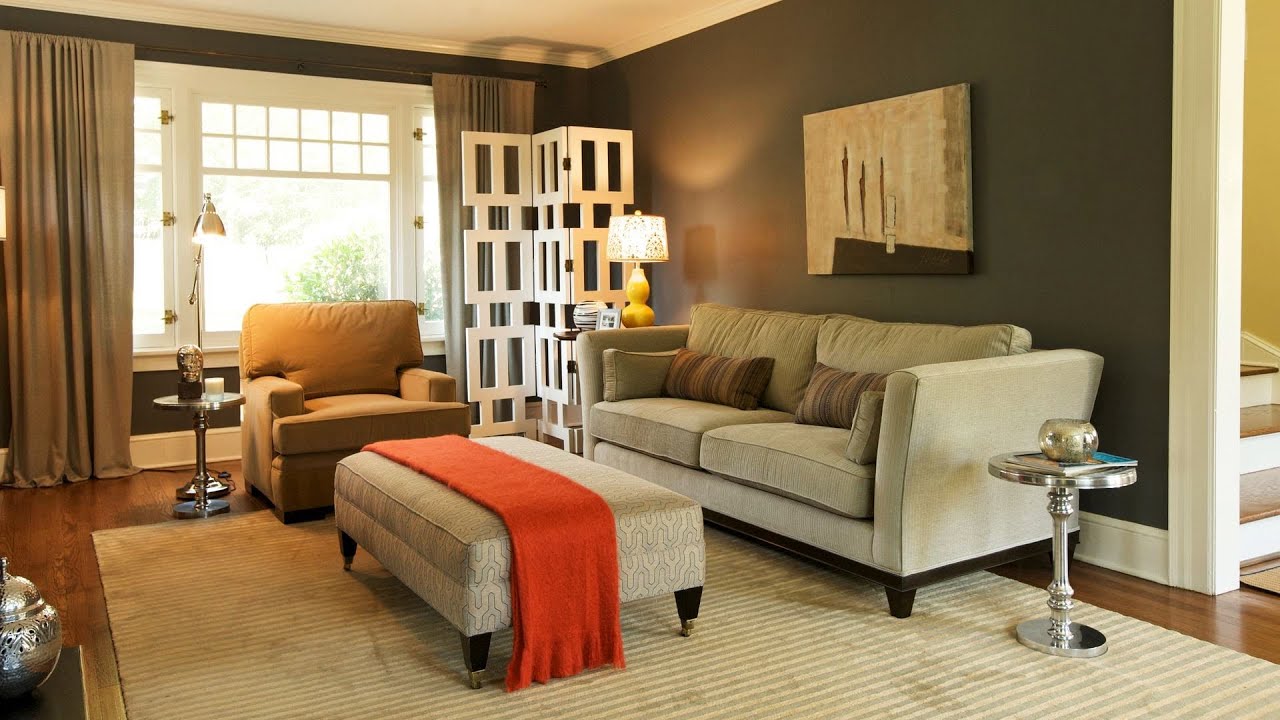
Have you ever liked every piece of furniture in a room but still felt something was wrong? The sofa looks comfortable. The coffee table suits the space. Even the wall colour feels right. Yet the room still appears disconnected.The missing piece may be the rug. A well-chosen rug creates a visual link between your furniture, flooring, and décor. It can calm a busy room or add interest to a plain one. It also helps define where the furniture belongs.You do not need to replace your sofa or spend heavily to get this effect. Discount Rugs can provide attractive choices at a more manageable price. The key is knowing which colours, patterns, textures, and sizes support your existing pieces.
This guide will help you make that decision. Instead of chasing perfect matches, you will learn how to create a room that feels balanced and naturally put together.
Let Your Furniture Set the Direction
Start with the largest piece in the room. In a living area, that will usually be the sofa. In a bedroom, it is the bed. Your dining table should guide the decision in a dining space. These large items carry the most visual weight, so the rug needs to work around them.Look carefully at the furniture’s colour, shape, fabric, and general style. A low grey sectional with straight lines creates a different mood from a curved brown leather sofa. Both can look great, but they need different supporting details.
Next, decide what role the rug should play. Does the room already contain colourful furniture and detailed artwork? A quiet rug may provide balance. If the furniture is simple and neutral, the floor can carry more colour or pattern.Shopping for affordable rug options becomes easier once you answer that question. You stop comparing every attractive design and focus only on rugs that solve your room’s particular problem.
Stop Trying to Match Every Colour Exactly
Here is a common trap: trying to find a rug in the exact shade of the sofa. It sounds sensible, but the result can feel flat. A room needs connection, not perfect duplication.Pull one secondary colour from the furniture instead. Imagine a beige sofa with blue and rust cushions. A rug containing soft blue, warm cream, or muted rust could connect the arrangement. It does not need to repeat every shade.
Find a shared colour
Choose a rug that includes at least one colour already present in the room. That colour may come from the curtains, an armchair, artwork, or decorative cushions. Repeating it on the floor makes the design feel intentional.Small differences between shades are fine. In fact, they often make a space feel more natural. A navy chair can work with a rug containing faded denim blue. Cream upholstery may pair nicely with ivory, oatmeal, or soft beige.
Work with warm and cool tones
Colour undertones matter more than exact matching. Warm wood furniture usually pairs well with rust, tan, olive, terracotta, and creamy neutrals. Cool grey or black furniture often suits blue, charcoal, white, and cooler beige tones.Mixed finishes need a bridge colour. For example, a room with a grey sofa and a warm oak table may benefit from a rug containing both grey and earthy brown. Some discounted rug styles use layered colours that make mixed furniture finishes easier to connect.
Balance Patterns Without Making the Room Feel Busy
Pattern can give a room personality, but too much creates visual noise. If your sofa has floral, striped, or checked fabric, look for a quieter rug. A solid colour or subtle faded pattern gives the eye somewhere to rest.Plain furniture allows more freedom. A strong geometric, traditional, or abstract rug can become the room’s main feature. The furniture acts as a calm background, so the floor design receives attention without competing against other large patterns.
Pattern scale matters as well. Two small, detailed patterns placed together may look fussy. Instead, pair a small furniture pattern with a larger, more open rug design. Changing the scale creates contrast while preserving harmony.Do not assume low-cost patterned rugs must look cheap or overly bright. Muted colours and distressed designs often feel softer in a furnished room. Always examine a full-room product photo, since a close-up image may not show the true scale of the pattern.
Choose a Rug Size That Supports Your Layout
Even the perfect colour will not rescue an undersized rug. A small rug floating beneath the coffee table breaks the connection between the seating pieces. As a result, the furniture can appear pushed apart.Measure the furniture arrangement rather than the empty floor. Use painter’s tape to mark the rug’s expected edges. This allows you to see whether the proportions work before placing an order.
Living room arrangements
In a compact living room, the front legs of the sofa and chairs should usually rest on the rug. That small overlap visually connects the furniture. Try to keep the placement consistent instead of putting one chair fully on the rug and leaving another completely off it.Larger rooms may look better with every furniture leg on the rug. In many medium-sized seating areas, area rugs 8×10 offer enough coverage for a sofa, coffee table, and two chairs. Still, measurements are more reliable than standard room labels.
People comparing large rugs for living rooms should also check the visible floor border. Leaving some flooring around the rug creates balance. Pushing the rug close to every wall may make it resemble fitted carpet.
Bedrooms and dining spaces
A bedroom rug should extend far enough beyond the bed for your feet to land on it. If most of the rug disappears beneath the frame, it adds little visual or practical value. Measure the exposed sections on both sides before selecting a size.In a dining room, pull the chairs away from the table before measuring. The back legs should remain on the rug while someone is seated. 8×10 floor rugs may suit some six-seat tables, but table shape and chair movement can change the required dimensions.
Use Texture to Create Comfort and Contrast
Colour attracts attention first, but texture shapes how the room feels. Smooth leather furniture can look softer beside a wool or lightly shaggy rug. Metal and glass furniture also benefit from a warmer floor texture.The opposite approach works with rich upholstery. Velvet seating, tufted furniture, or heavily textured fabrics already create depth. A low-pile rug with a simple finish can prevent the arrangement from feeling heavy.
Lifestyle should guide the final choice. Plush rugs feel cosy, but they trap crumbs and pet hair more easily. Low-pile synthetic rugs are often simpler to vacuum. Jute adds an earthy look, although its rougher texture may not suit a child’s play area.Consider maintenance before falling in love with a material. A family with young children may value stain resistance more than a delicate finish. Pet owners might prefer patterns that hide loose hair between cleanings. Well-made budget-friendly floor rugs can still perform reliably when their fibre and pile match the room’s daily use.
Matching Mistakes That Can Spoil the Arrangement
Buying the rug without fabric references is an avoidable risk. Store lighting and phone screens can alter colours. Take furniture photos in daylight and keep a curtain or cushion sample nearby while shopping. If swatches are available, view them in both morning and evening light.Overmatching is another problem. A brown sofa, brown rug, brown table, and brown curtains may technically coordinate, yet the room can feel lifeless. Add contrast through a lighter tone, different texture, or controlled pattern.
Do not ignore the rug’s relationship with the floor. A rug that is too close to the flooring colour can disappear. Light rugs create contrast over dark wood, while deeper colours can ground pale tile or light oak.Practical details matter too. Check door clearance, furniture movement, shedding, and cleaning instructions. A proper rug pad also prevents sliding and reduces wear. Make sure the pad is compatible with your flooring, particularly if you have vinyl, hardwood, or heated floors.
Create a Room That Feels Collected, Not Overmatched
A polished room rarely looks as though every item came from one matching set. Instead, the pieces share a few thoughtful connections. The rug may repeat a cushion colour, soften a leather sofa, or connect cool upholstery with warm wood.Begin with the largest furniture piece, then consider undertones and pattern scale. Measure the full arrangement and think honestly about cleaning. These steps are more useful than choosing a rug only because it looks attractive in a product photograph.
Your final choice should support the way the room is used. Once colour, size, texture, and placement work together, the furniture feels connected without appearing overly planned. That is what gives a room its comfortable, finished character.