


High Density Fiber Cable for High-Performance Network Infrastructure
As digital transformation continues to reshape industries worldwide, the demand for advanced networking infrastructure has reached unprecedented levels. Businesses, educational institutions, healthcare organizations, and telecommunications providers rely heavily on fast and reliable communication systems to support daily operations. With cloud computing, artificial intelligence, video streaming, and Internet of Things technologies generating vast amounts of data, network capacity has become a critical factor in maintaining operational efficiency and competitiveness.
To address these growing connectivity demands, organizations are increasingly investing in high density fiber cable solutions. These advanced fiber optic cabling systems are specifically designed to accommodate a large number of optical fibers within a compact structure. By maximizing fiber capacity while minimizing physical space requirements, high-density fiber cables provide a practical and scalable solution for modern networking environments.
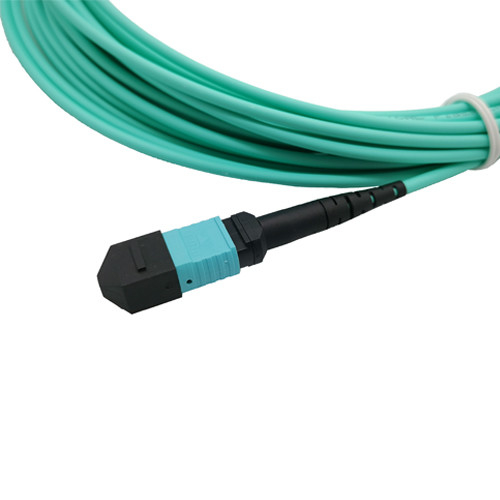
What Is High Density Fiber Cable?
High-density fiber cable is a specialized type of fiber optic cable engineered to contain a greater number of fiber strands within a smaller cable diameter. Unlike traditional fiber optic cabling systems, which may require significant space to support large-scale deployments, high-density solutions allow organizations to achieve higher connectivity levels without increasing infrastructure complexity.
The design of these cables focuses on maximizing fiber count while maintaining performance, flexibility, and durability. This approach helps network administrators efficiently manage large-scale installations while reducing congestion and simplifying maintenance procedures.
As data traffic continues to increase, high-density fiber cable has become an essential component of modern communication networks that require reliable, high-capacity connectivity.
Why High Density Fiber Cable Is Important
Growing Demand for Bandwidth
The amount of digital information transmitted across networks continues to grow every year. Businesses depend on cloud-based applications, video conferencing platforms, and real-time collaboration tools that require substantial bandwidth to operate efficiently.
High-density fiber cable helps organizations meet these increasing bandwidth demands by supporting larger numbers of fiber connections within a compact footprint. This capability allows networks to handle more data traffic without sacrificing performance or reliability.
By providing greater transmission capacity, high-density fiber solutions ensure that organizations can support current operations while preparing for future growth.
Efficient Use of Space
Space optimization is a major concern for data centers, telecommunications facilities, and enterprise networking environments. Traditional cabling systems can consume significant amounts of rack space and create challenges related to cable management.
High-density fiber cable addresses these issues by allowing more fibers to be deployed within a smaller physical area. This efficient design helps organizations maximize infrastructure utilization while reducing the need for costly facility expansions.
Improved space efficiency also contributes to better airflow management and easier access to networking equipment, enhancing overall operational effectiveness.
Supporting Future Expansion
Technology continues to evolve rapidly, and organizations need networking infrastructure capable of adapting to changing requirements. High-density fiber cable provides the scalability necessary to support future network expansion without extensive redesigns.
Its ability to accommodate growing connectivity needs makes it an ideal investment for organizations planning long-term infrastructure development. By implementing scalable fiber solutions today, businesses can avoid costly upgrades and disruptions in the future.
Key Benefits of High Density Fiber Cable
Increased Network Capacity
One of the most significant advantages of high-density fiber cable is its ability to support a greater number of fiber connections within a limited space. This increased capacity allows organizations to expand network capabilities while maintaining efficient infrastructure layouts.
Higher network capacity is particularly valuable in environments where bandwidth demands are constantly increasing. Organizations can support additional users, applications, and devices without compromising network performance.
This capability helps ensure that communication systems remain responsive and reliable even as data traffic continues to grow.
Improved Cable Management
Effective cable management is essential for maintaining organized and efficient networking environments. Excessive cabling can create clutter, complicate maintenance activities, and increase the risk of operational issues.
High-density fiber cable simplifies cable management by reducing the number of physical cables required to achieve desired connectivity levels. This streamlined approach improves organization, enhances accessibility, and makes troubleshooting more efficient.
Well-managed cabling infrastructure contributes to improved reliability and reduced maintenance costs over time.
Enhanced Reliability
Reliability is a critical consideration for any network infrastructure. Fiber optic technology is inherently resistant to electromagnetic interference and signal degradation, making it highly dependable for data transmission.
High-density fiber cable retains these advantages while supporting larger connection volumes. Organizations benefit from stable communication, reduced downtime, and consistent network performance across a wide range of applications.
Reliable connectivity is especially important for industries that depend on continuous access to data and communication services.
Applications of High Density Fiber Cable
Data Centers
Data centers are among the primary users of high-density fiber cable technology. These facilities require extensive connectivity to support servers, storage systems, and networking equipment while maximizing available rack space.
High-density fiber solutions enable data center operators to improve infrastructure efficiency and accommodate increasing bandwidth demands without expanding facility footprints.
As cloud services and digital applications continue to grow, the importance of high-density fiber technology in data center environments will continue to increase.
Telecommunications Networks
Telecommunications providers rely on fiber optic infrastructure to deliver internet, voice, and data services to customers. High-density fiber cable supports large-scale deployments by enabling greater connection density within existing infrastructure.
This capability helps service providers expand network capacity efficiently while maintaining high levels of service quality and reliability.
The technology also supports emerging communication standards and future network development initiatives.
Enterprise Networks
Large organizations require robust network infrastructure to support business operations, employee collaboration, and customer engagement. High-density fiber cable provides the performance and scalability needed to maintain efficient enterprise connectivity.
Businesses can benefit from improved network management, greater flexibility, and enhanced support for digital transformation initiatives.
These advantages make high-density fiber solutions a valuable component of modern enterprise networking strategies.
Future Trends in High Density Fiber Technology
The future of networking will be influenced by advancements in technologies such as artificial intelligence, edge computing, smart cities, and the Internet of Things. These innovations will generate even greater demand for bandwidth and connectivity.
High-density fiber cable is expected to evolve alongside these trends, offering higher fiber counts, improved performance characteristics, and greater deployment flexibility. Manufacturers continue to invest in research and development to create solutions capable of supporting next-generation communication networks.
Organizations that adopt advanced fiber infrastructure today will be better prepared to capitalize on future technological opportunities and maintain competitive advantages.
Conclusion
The growing need for fast, scalable, and reliable connectivity has made high density fiber cable a vital component of modern network infrastructure. Its ability to maximize fiber capacity, optimize space utilization, and support future growth provides significant value for organizations across a wide range of industries.
Whether deployed in data centers, telecommunications networks, or enterprise environments, high-density fiber cable delivers the performance and flexibility required to meet evolving networking demands. As digital transformation continues to accelerate, investing in high-density fiber solutions will help organizations build resilient and future-ready communication systems capable of supporting long-term success.